NIU Xuezhi
Publication Projects Teaching Blog About CV
Dummy Project
Dummy Project

Lorem ipsum dolor sit amet, consectetur adipiscing elit, sed do eiusmod tempor incididunt ut labore et dolore magna aliqua.

Ignore me

Artificial intelligence is Beneficial to Teaching and Learning in Higher Education (ATTC1 2024)

This Pedagogy project was involved in the Academic Teaching Training Course at Uppsala University, explores the integration of AI tools, such as ChatGPT, in teaching and learning activities across 43 universities in Sweden and other global institutions. By analyzing publicly available information from university websites—including policy statements, press releases, and course descriptions—this study employs semantic and word-frequency analysis to identify key themes and linguistic patterns that reflect institutional attitudes toward AI adoption. Only wordcloud images are posted here.

PythonnltksklearnVADER

Autonomous Intruder-Detecting Drone (KTH DD2419, 2022)

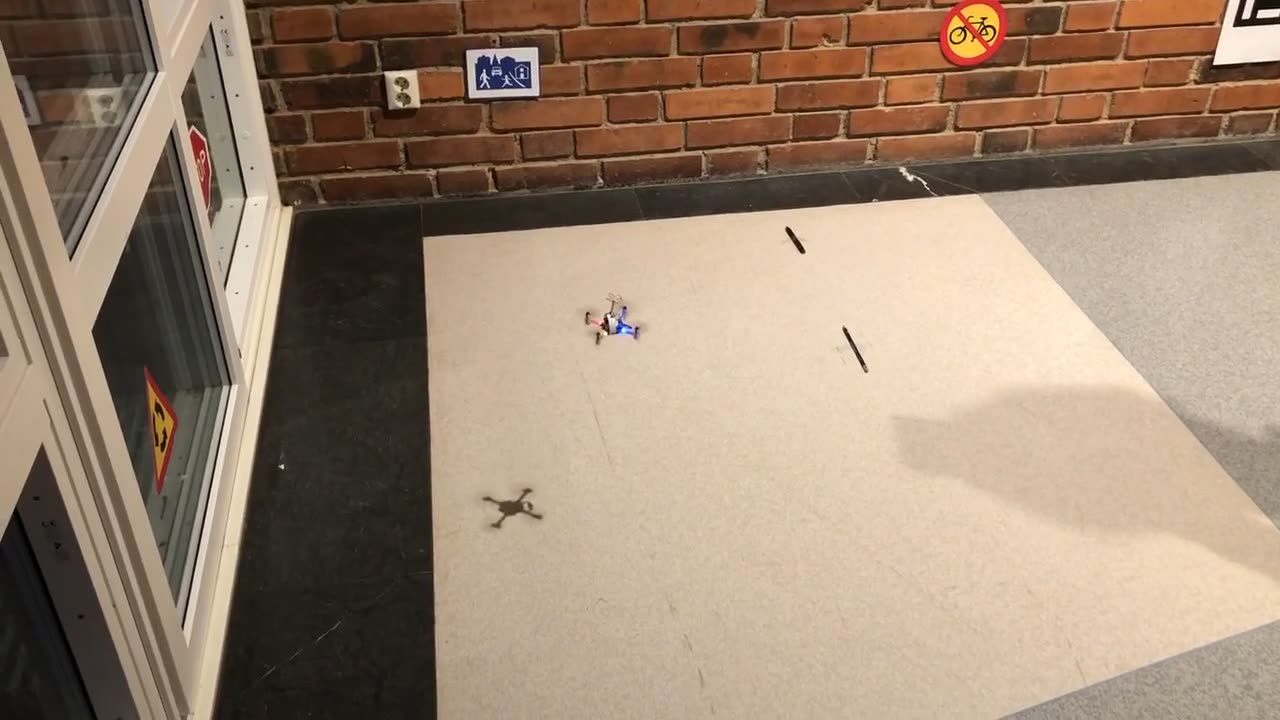
A Crazyflie 2.0 nano-quadcopter that patrols a known indoor world, localises itself from the traffic signs it recognises, and flags any sign that is not on the map as an intruder. Built by four students over one semester on the KTH robotics project course. My share was the localization node, the A* planner, and the brain that sequences them — perception was my teammates' work. All of it runs on ROS; the code is on GitHub.

ROSPythonPyTorchOpenCVA*CrazyflieRViz

Bubble Energy Generator — a Slippery-Interface Triboelectric Nanogenerator (CityU Final Year Project, 2021)

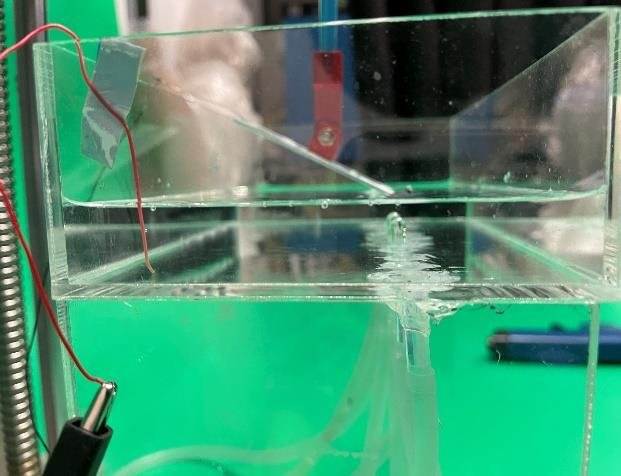
A final year project at City University of Hong Kong on harvesting energy from air bubbles in water with a transparent triboelectric nanogenerator. A lubricant-infused porous PTFE film on ITO glass turns each bubble that attaches and detaches into a voltage and current pulse, and keeps working in saline solutions and after 120 days of storage. The write-up connects the measurements to double-layer theory and states what the data can and cannot show.

Triboelectric nanogeneratorSlippery lubricant-impregnated porous surface (SLIPS)PTFE membraneITO glassKrytox oilOscilloscopeCurrent preamplifierMATLAB

Electronically Vacuum Regulated Shut-off Valve for Milking Systems (KTH × DeLaval, 2022)

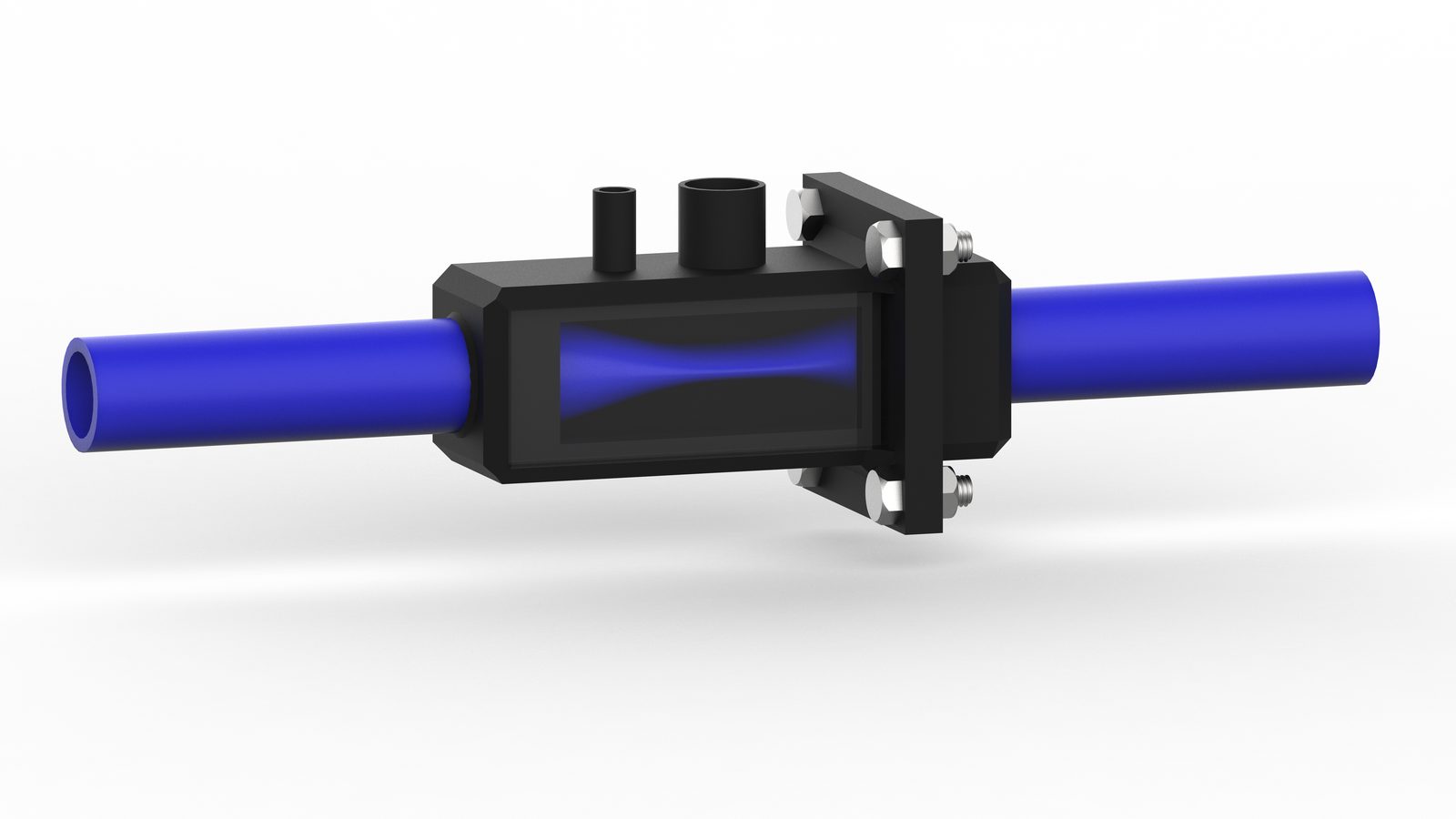
A ten-month mechatronics capstone with DeLaval International AB. During machine milking, the vacuum at the teat falls as milk flow rises — a drop that we showed analytically can never reach zero by geometry alone, only be actively compensated. An eight-person team designed an inverted pinch valve, actuated pneumatically by a vacuum signal and driven by a cascade PID controller, then built a full test rig at KTH to measure it. The valve held cluster vacuum on a 45 kPa reference across 6–12 L/min with a drop of roughly 0.8 kPa across the valve itself, and recovered from an emulated teat-cup slip.

MATLABArduinoCascade PIDKalman filterSolid Edge3D printing

Line-Following AGV with an 8-Sensor IR Array on an ARM Cortex-M3 (CityU MNE3058 Embedded Control, 2021)

A course project in Embedded Control Systems at City University of Hong Kong. An 8-sensor infrared line-tracking AGV on an LPC1343 follows a black line and must cross broken segments in a timed competition. This page documents the firmware as built, reviews its weaknesses honestly, and sets out how the same hardware would be engineered to competition grade, with a simulation study of the design trade-offs.

CARM Cortex-M3 (LPC1343)LPCXpressoTimer PWMGPIOUARTIR reflective sensor arrayPID control

Bistable MEMS Optical In-Plane Switch (KTH EK2360, 2022)

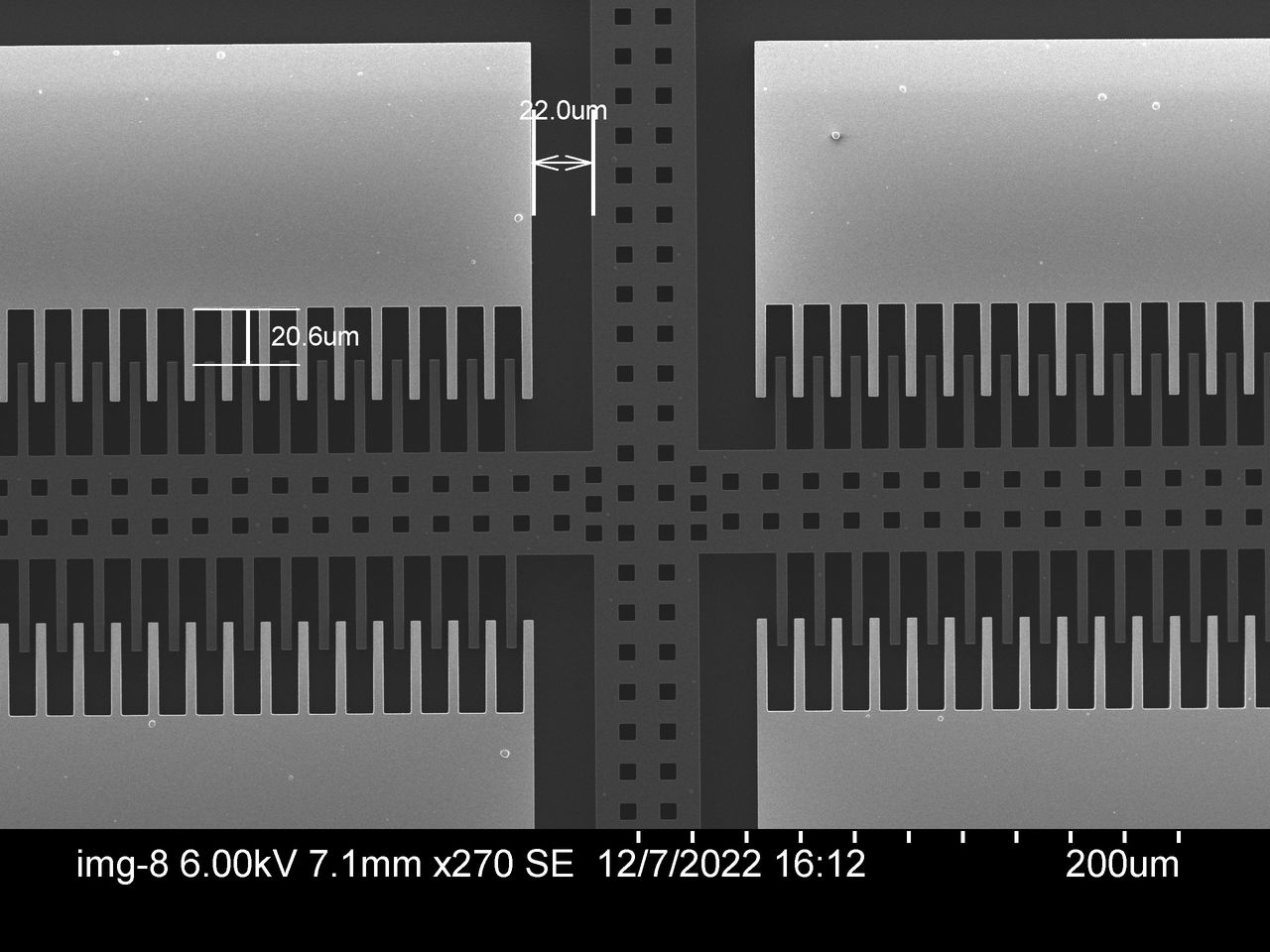
A mechanically bistable micro-mirror switch for routing optical-fibre signals, designed to latch in both end positions so that power is only needed during the transition. Three of us specified it, simulated it in COMSOL, drew the mask in KLayout, had it fabricated in the KTH Electrum cleanroom, and then put the real chips under a probe station. Most of it did not work — and the interesting part of the project was working out exactly why.

COMSOLKLayoutGDSSOI MEMSCleanroomSEM

Motor Control from Model to Hardware — Sensors, Controllers and Embedded Firmware (KTH, 2021–2022)

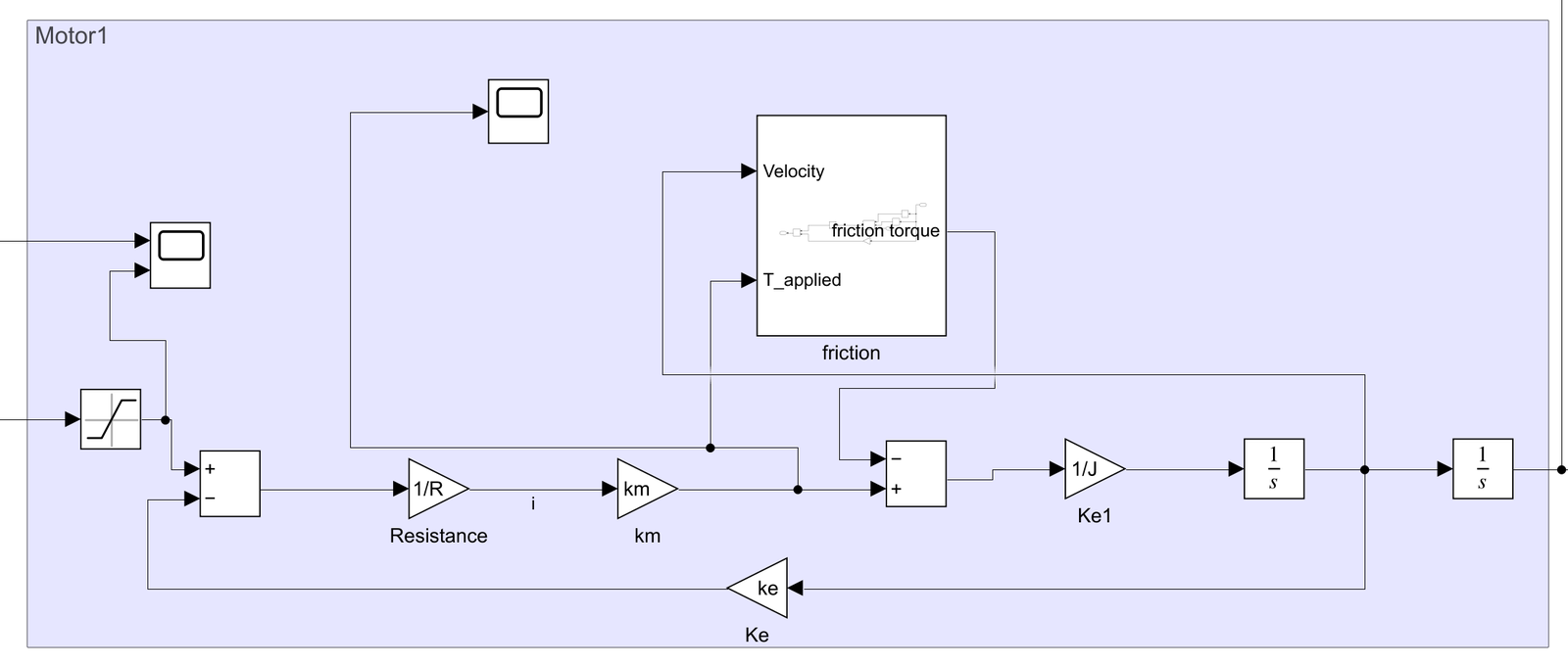
A complete motor feedback loop built and analysed piece by piece. It covers DC-motor identification, speed, position and servo control on a TI C2000, and speed-control firmware on an STM32 (super-loop, RTOS and distributed over TCP). Around them sit my own boards for supply, H-bridge, anti-alias filtering and current sensing, two designed DRV8323S brushless shields (six-step velocity control and FOC torque control), and a simulated brushless drive for a bolt-tightening tool. Every parameter is traced to its source, the models and the firmware are re-executed in Python, and the errors found are documented.

MATLABSimulinkTI C2000STM32CKeil RTXEaglePython
SinEnergy — a Safe, Flexible Nickel-Based Wristband Battery (CityU, 2018–2019)

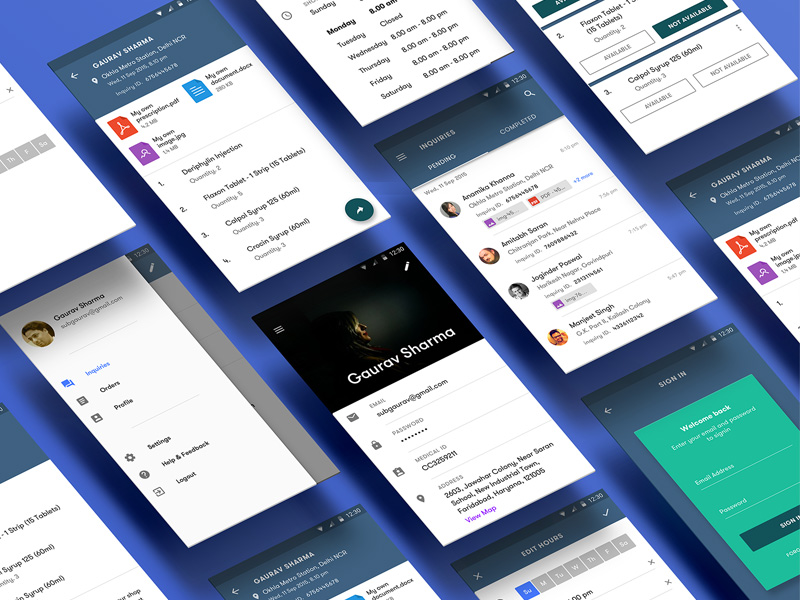
A university start-up project at City University of Hong Kong that combined a flexible, water-based Ni-type battery structure with a high-mass-loading multi-component metal hydroxide electrode, and took the idea from the lab bench to national innovation and entrepreneurship finals.

Seed-assisted hydrothermal synthesisNi foamMulti-component metal hydroxideHierarchical porous carbonPVA/KOH gel electrolyteFlexible encapsulationSEM/TEMGCD/CV/EISStart-up business plan

Does a Helmet Help on Snow? FE Study of Ski and Snowboard Head Impact (KTH HL2035, 2021)

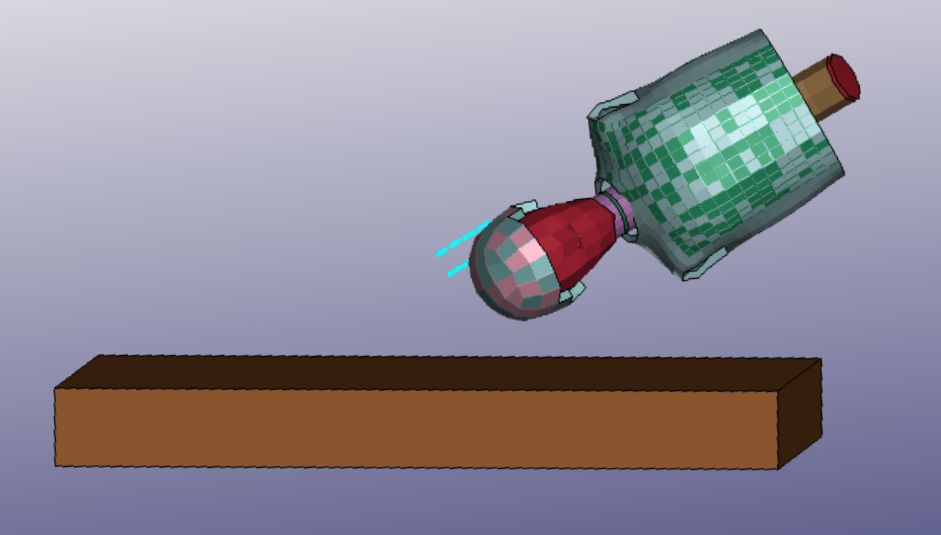
A helmet is certified against a rigid steel anvil, but nobody falls onto a steel anvil while skiing — they fall onto snow, which crushes. That makes a helmet and a snow surface two crushable layers in series, and how much the helmet adds depends on which one gives way first. We built an LS-DYNA model with a calibrated snow foam, a two-material helmet, and a HIII head and neck, and ran it with and without the helmet across four impact sites and two piste conditions. This page documents the model and the study design; the solved results are not in the archive I still have.

LS-DYNALS-PrePostHIII dummyMATLABFEM

Optimal Gait Control of a Tendon-Driven Soft Quadruped by Model-Based Reinforcement Learning (KTH Master Thesis 2023, ICRA 2025)

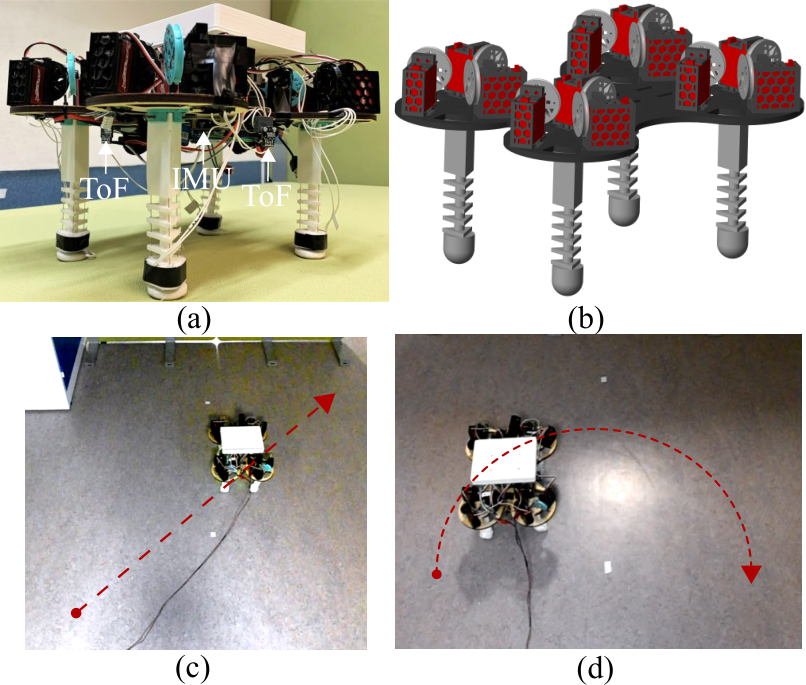
A master thesis at KTH Royal Institute of Technology, later published at ICRA 2025. SoftQ, a tendon-driven soft quadruped, learns to walk at a chosen speed by training a Soft Actor-Critic agent inside a neural-network surrogate of itself, then refining the policy in a high-fidelity simulation. Against model-free reinforcement learning it converged about seven times faster in episodes, used about a seventh of the energy per distance, and the policy walked on the real robot.

MATLABSimulinkSimscapeSoft Actor-CriticNeural networksKalman filterRaspberry PiSTM32ANCOVA

Small Wind Turbine Blade Design — from
Small Wind Turbine Blade Design — from "Most Energy" to "Easy to Start" (CityU MNE3010 Mechanical Design Project, 2021)

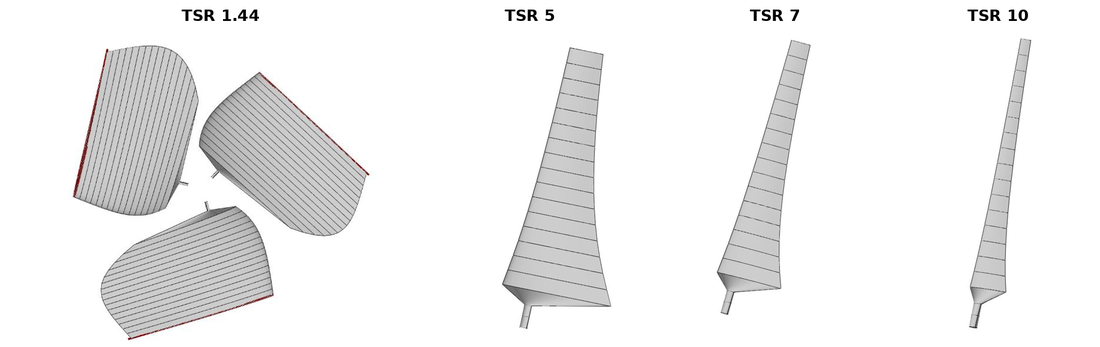
A group project in Mechanical Design at City University of Hong Kong. We designed and 3D-printed a new set of blades for a small wind-turbine kit. The first reading of the brief was "harvest the most energy", which led to blades that would not start in the available wind. We then re-optimized for a blade that is efficient once spinning and easy to start by hand, which the rules allow. This page connects the design to the aerodynamic theory behind it, drawing on NUS ME4231 Aerodynamics.

QBladeXFOILBlade element momentum theoryBetz and Schmitz blade designSolidWorks3D printing (PLA)Python

IoT Sensor Node and Base Station with Zephyr RTOS (Uppsala University PES, Teaching Project)

A teaching project for the PES course at Uppsala University. Two Raspberry Pi Pico 2 boards run Zephyr; one produces synthetic sensor readings and the other receives them over UART through a custom Zephyr Sensor API driver. The project teaches devicetree, Kconfig, the driver model, interrupt-to-thread design, and protocol engineering, and records the cautions found while building it.

Zephyr RTOSCDevicetreeKconfigWestCMakeZephyr Sensor APIUARTI2CADCRaspberry Pi Pico 2 (RP2350)

with by NIU Xuezhi theme portfolYOU
Visitors: -- 0 | Visits: -- 0 As from 2024